job posting: Executive Director Taoxichuan JAEA International Art Center
Taoxichuan JAEA International Art Center
Located at Jingdezhen, Jiangxi Province, PR China
Job opening: Executive Director
• Age 35-65 years old
Salary:
• Annual salary 250,000-300,000 RMB
Qualification:
Good health, team spirit, oversea working experience related to art in education, organization activities. Mastering English and Chinese is essential. Additional languages are an asset, requires excellent communication and collaboration skills.
Benefit:
• No less than 30 days ANNUAL LEAVE, and ONE ROUND TRIP TICKET for reimbursement;
• Accommodation and Meals are provided.
Duties:
1. Responsible for the operation, management and daily international exchange activities of Jingdezhen Taoxichuan JAEA International Art Center, Jingdezhen International Studio and Taoxichuan Education Center.
2. Responsible for the annual invitation of the studio guest artists, the implementation of the resident’s creation plan, the duration of the artist’s solo exhibition, group and joint exhibition, and the sales of works.
3. Responsible for international cultural and educational projects, promote exchanges and cooperation between international art center and institutions and meet the expected goals of Taoxichuan.
4. Managing International Projects assigned by the Artistic Director
5. Advising the art gallery, museum and the economic development of Taoxichuan.
Require information for the application:
1. Cover letter
2. Contact information: mobile, mailing address, email address
3. Resume
4. Name of reference
5. Photos
6. ID
Please send the required information to the following
Contact person:
Name:Linn
Email:[email protected]
Address:Taoxichuan Ceramic Art Avenue
Phone number: 18979808895
Applications will be reviewed immediately until the position is filled.
Find more info HERE.
call for entry: The Salt Spring National Art Prize

Guidelines and submission details to be found on our website www.
Happy New Year!

Happiest of new year wishes to all of you!
I’m gonna try not to get all sentimental here but I really want to say how much this community means to me and how honored I am to play even a small role contributing to the success of artists in the ceramic field. Throughout the year I get messages that literally bring me to tears (happy tears!) from some of you and I thank you for that.
Musing about mud is headed into its 13th year 😲😲😲 and really it’s thanks to you all that it’s still up and running. There may be some changes a foot this year as I am taking on a huge curatorial project but I promise you 13 won’t be an unlucky number for musing. So please keep sending in content, help me out by sharing content you love from the blog and above all else just keep being awesome.
Much love to all of you, but especially to @richardnickel cuz he designed me this awesome logo for musing. And yes it will be in the t-shirt shop very soon 😉
😘😘😘
monday morning eye candy: Marc Egan


emerging artist: Hyeyoun Shin


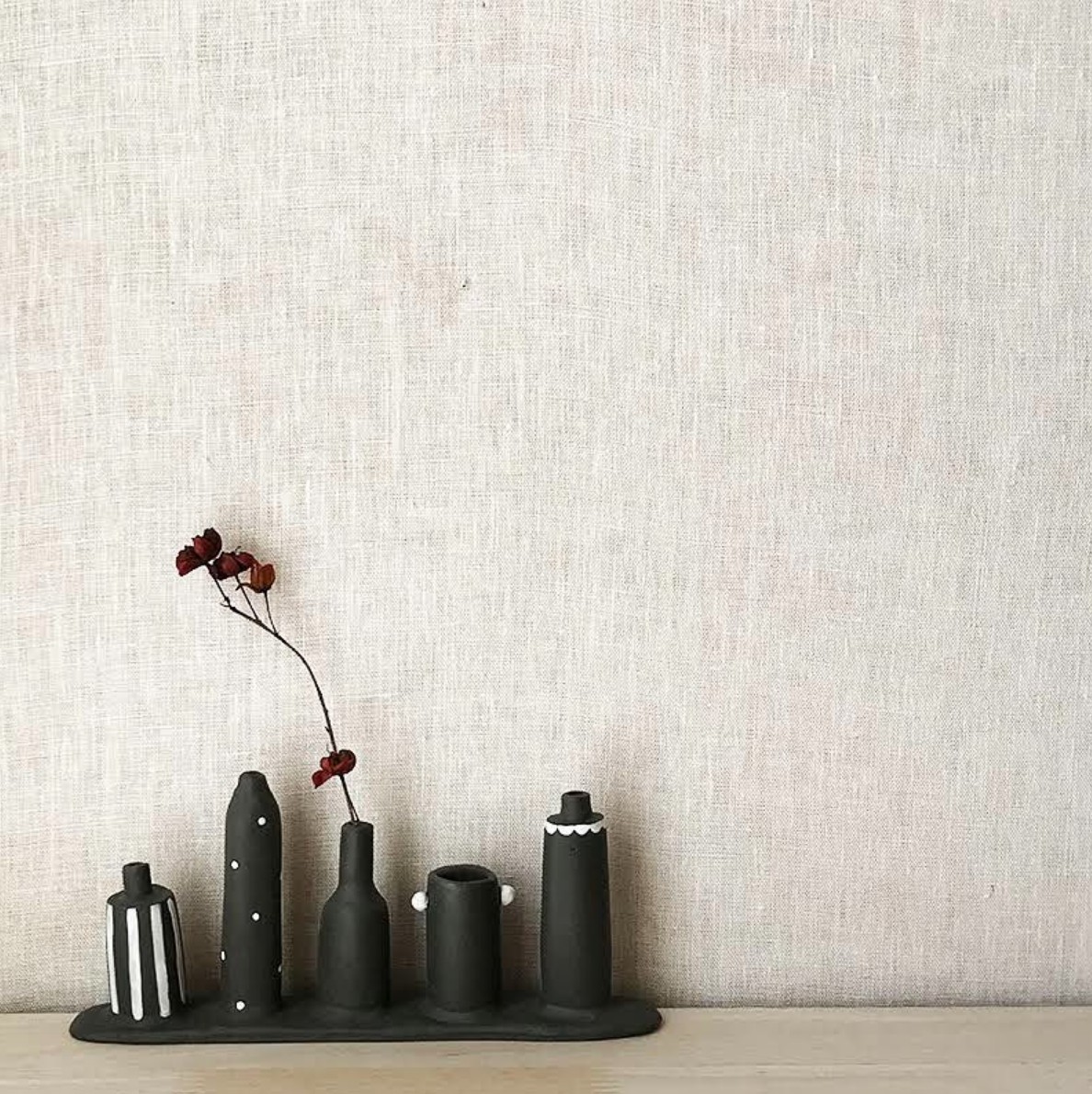
www.illyswall.com.au
residency opportunity – Red Lodge Clay Center


Take my Illustrative Pottery Workshop with the Ceramics School

about me

Follow me on Instagram

Carole’s Website

MAKEANDDO.CA

Web Hosting sponsored by:
