by Carole Epp | Jun 7, 2015 | Uncategorized

June 5th thru July 4th
Husband and wife team Alain Bonneau RCA and Denise Goyer RCA have
been creating classically modern designs in their Quebec studio since
the 1970’s. Their personal mandate has been to provide the public with
modern functional ware at affordable prices. Their modernist slip cast
porcelain has been featured worldwide. The local, national and
international clientele the gallery attracts made London, first choice
to host this retrospective showcasing examples of their work going back
almost five decades. Brian Cooke, curator, has assembled an impressive
exhibition that includes many rare and historical examples of their
work. Included in the exhibition are prototypes never seen before by the
public. A special attraction is ‘La Théière’ Designed in 1976 eleven
examples have been selected including the first and the last, a gold
glazed example created to mark the twentieth anniversary of their
studio.

In 2007 London hosted for the first time outside of Quebec, and the
first time in a private gallery, a major Goyer-Bonneau exhibition. Now
in 2015 “45 Years – Encore 2” will expand upon that exhibition by
including numerous examples from their archival collection many of which
are being offered for sale for the first time. In addition Brian has
put together some early hand thrown works that predate the Goyer-Bonneau
partnership.
This is a truly historic exhibition by two of Canada’s top artists.
http://jonathons.ca


by Carole Epp | May 15, 2015 | call for entry, emerging artist, job posting, monday morning eye candy, movie day, residency opportunity, show us your influences, technical tuesday
 |
| Cheng’Ou Yu |
 |
| Jing Huang |
 |
| Shawn Durant
|
 |
| Karla Rivera |
 |
| Joon Hee Kim |
 |
| Mariella Pagliuca |
 |
| Cassara Kennedy |
May 14th-23rd
We are pleased to present the
Sheridan Ceramics Graduating Class of 2015
featuring works by the programs newest grads
Tine Deruiter
Shawn Durant
Jing Huang
Yoo Sun Jung
Cassara Kennedy
Joon Hee Kim
Nina Lalla
Trevor Novak
Mariella Pagliuca
Karla Rivera
Jordan Scott
Cheng’Ou Yu
by Carole Epp | Apr 22, 2015 | Uncategorized
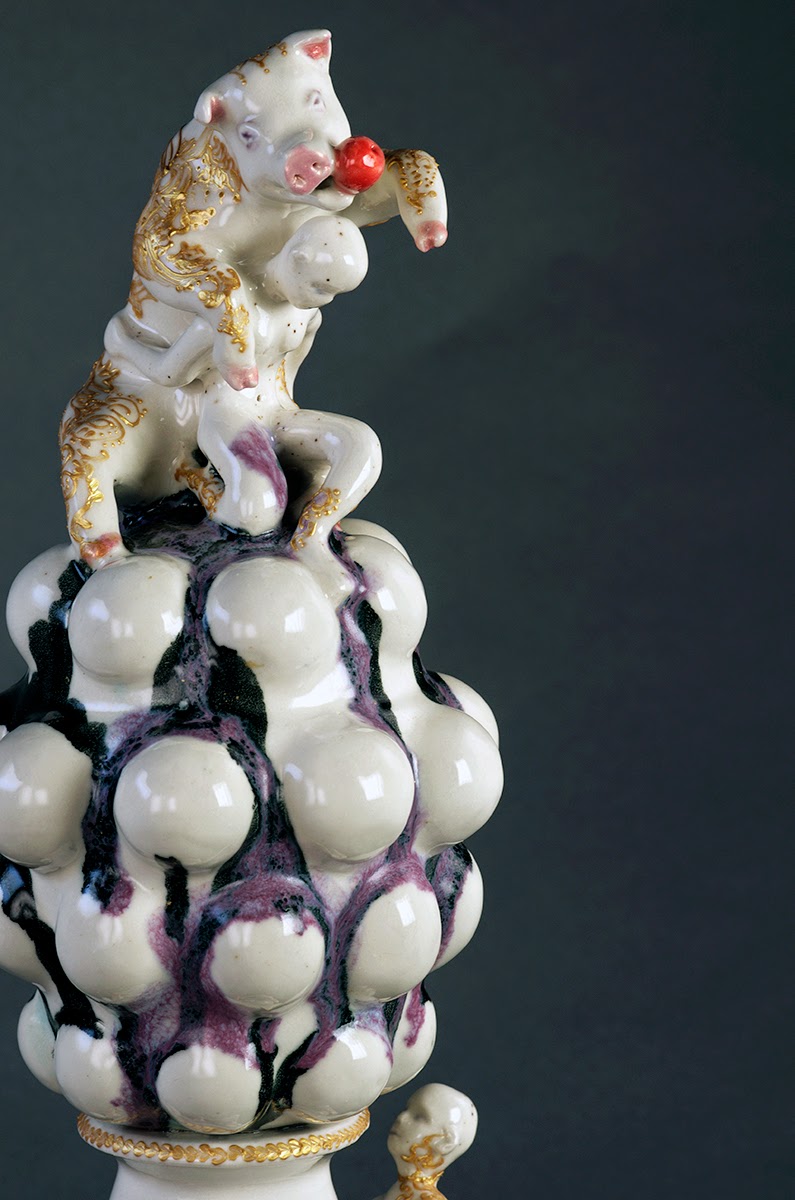
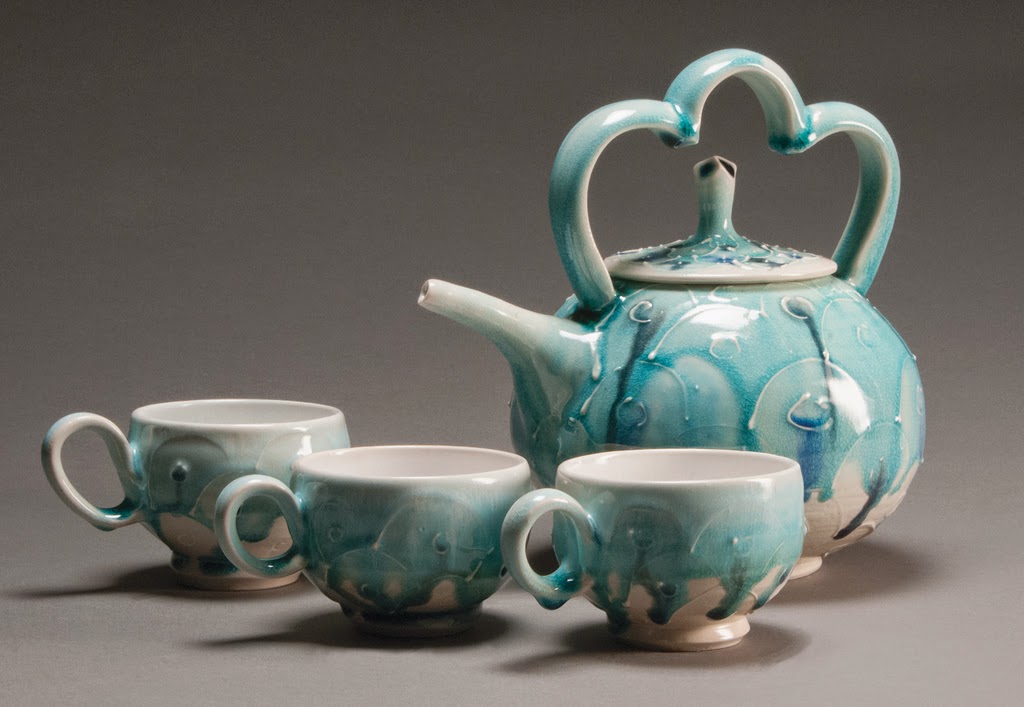
The Narrative Dish
Selected by ceramic artist and musing about
mud blog editor, Carole Epp; the exhibition The
Narrative Dish brings together a group Canadian ceramic makers whose work
makes significant investigations into the use of narrative and imagery on
functional tableware. Specifically, this is a group of six female artists whose
awareness and understanding of each other’s professional practices makes for
the perfect storm, or maelstrom if you will, of storytellers.
Fundamentally, what makes a good story…how
does one weave a good narrative and what is the best way to get that story to
stand the test of time? Of course there is the tradition of passing down
stories through oral legacies and by means of pen and paper. Storytelling
formats include everything from audio and videotape, book and newspaper and
currently all sorts of technological and virtual formats as introduced via the
computer times we now live in. Let us add to the list the realm of art…and more
specifically ceramics that has a far-reaching history of serving as a narrative
conduit. An indelible and permanent material, clay materials long outlive its
makers, stand all sorts of tests of time and by virtue serves as the one of the
most perfect vehicles for story telling.
The predominance of narrative imagery that
graces the functional ware of virtually every ceramic-producing culture throughout history has
long since depicted the people, values and culture. In effect, the practice of
placing and impressing imagery upon a material of such permanence has served as
a record keeper of sorts that continues to this day. It is the longstanding
lineage of such a practice that served as an inspiration for bringing together
contemporary artists for an investigation into contemporary Canadian portrayals
of social narrative.
As core values in society shift slowly but
noticeably towards a reaffirmation of the value of the handmade, these artists
represent a new generation of clay artists who are using their chosen medium to
depict our times in the most intriguing of ways. Some of the artists embrace
and employ their narrative ceramic practice through au so courant illustrative means
that are currently trending through “indie” design aesthetics while others opt
for a more humble retelling of contemporary narratives. Some retell and record
their stories with a sense of refined grace that has rubbed off on us via the
world of graphic design while others employ a visceral meat-and-potato approach
to aesthetics more akin to the worlds of folk art, comics and cartoons. Using
the concept of the narrative as a vehicle for their artistic endeavors, each of
the selected artists in this exhibition is well versed, and ergo, serve as
prime examples of how specific technical and aesthetic choices make for the
retelling of their stories in the most unique ways. These artists I believe have captured a feel for the culture and
interests that comprise contemporary Canadian society today.
While a diverse and broad range of ceramic
practitioners currently work within the genre; thus affording a large breadth
of artists to select from, these particular makers were selected to represent a
certain subsection within the genre. Each of the artists help to identify
either a specific female narrative; a generational narrative, a design based
aesthetic and even narratives of a geographical nature.
Participating artists:
Elizabeth Burritt, Jenn Demke Lange, Cathy
Terepocki, Mariko Paterson, Carole Epp, Aura Carney
Please check out the exhibition online
here.










.jpg)